When a wide range of people all go through the same traumatic experience, it is reasonable to think that said experience impacted every person differently, especially if not every person went through the same exact thing as one another. This is seen especially through slavery and how it impacted Black people’s lives differently therefore causing them to have different responses and beliefs once it was abolished. The best examples of these differing views would be through exploring Harriet Jacob’s Life of a Slave Girl and Booker T. Washington’s Up From Slavery. Both autobiographies start with the authors reflecting on their lives in slavery and how this moment of oppression later influenced how they and their families navigated life once they were freed. But their differing experiences in slavery and differing times spent enslaved majorly affected the tone of voice they took in their autobiographies as well as causing them to look back and reflect on their belief of freedom for black people differently. Neither person is right or wrong but their differing perspectives led to different stories being told despite having similar origins. More explicitly, how Harriet Jacobs’ experience of slavery led her to have a stronger resentment of slavery while Booker T. Washington garnered a more compliant belief.
In Harriet Jacob’s Life of a Slave Girl, Jacob’s experience with slavery throughout her childhood and early adulthood leads her to having a stronger desire for slavery to be abolished. When Jacobs opens up her autobiography, she starts in her childhood, reflecting on her and her family's enslavement with factuality yet minor resignation in her tone of voice. She speaks of how she was “fondly shielded that I never dreamed I was a piece of merchandise, trusted to them for safe keeping” through her language explicitly showing her belief of how enslaved people were seen as merchandise rather than human beings or workers (Jacobs 9). She then continues on her early childhood, her mistreatment from Dr. Flint and his wife after her mothers untimely passing, then transitioning into her turning of fifteen and how the mistreatment she, and many other female slaves before her, garnered from Dr. Flint escalated. She mentions how he was “daily violating the most sacred commandments of nature” and how she could do nothing because of fear of her grandmother finding out and her forced compliance as his slave (Jacobs 27). Jacob then recounted the birth of her children, her mock escape in the house of her grandmother, and her genuine departure taking her to New York where she recounts her discovery of the Fugitive Slave Act. She regards it as a “disgrace to a city calling itself free” how a place known to be somewhere black people could go to begin a life after slavery, itself fuels it by giving people up (Jacobs 158). Jacob’s strong hatred to the act comes fairly understandably, she knew only pain through slavery, her mistreatment, her assaults, her loss of time, all come from the same beast, one she stills feels the aches of scars even though it’s “over.” Overall, Harriet Jacob’s strong resentment of slavery stems from the harsh abuse she had to go through while being enslaved, making her speak strongly and positively of its abolition.
 |
| Harriet Jacobs. Women's History Month Harriet Jacobs: The Woman in the Attic, 8 March 2023, https://hammondharwoodhouse.org/womens-history-month-harriet-jacobs-the-woman-in-the-attic/. |
Booker T. Washington‘s experience of slavery being drastically different from Harriet Jacobs’ led him to have a more compliant view of slavery in comparison to her. In Booker T. Washington’s autobiography Up from Slavery, he starts his book similarly to that of Jacobs’, during his early life while he was enslaved. He speaks of how his mother was a cook for the “big house” and how he was often sent to the mills though if he was late returning home, he “would always get a severe scolding or a flogging” (Washington 4). Not far after, when Washington was around six, slavery was abolished and he looks back at slavery then, and feels sympathy for the white people who could no longer rely on their slaves. Unlike Jacobs’, instead of seeing slavery as a relationship that only profited the white, Washington subscribed to the belief that “the black man got nearly as much out of slavery as the white man did.” (Washington 12). And while, in the same line, Washington does understand the cruelty black enslaved people were treated with, he ultimately paints slavery as something that black people can profit on as well. In this explanation he explains that black people were taught how to survive independently while showing sympathy for the fact that many white people were left unaware how to take care of themselves outside of using slaves. This belief of Washington’s almost sounds as though he was glad that slavery happened to black people as it caused them to learn how to take care of themselves and teach these concepts to younger generations. Alongside this, when Washington was talking about black people after the abolition of slavery, he believed that “the slaves were almost as well fitted to begin life anew as the master, except in the matter of book-learning and ownership of property.” completely ignoring the fact that black people would have to completely start from scratch to achieve necessities, such as property and income. Overall, Booker T. Washington’s minimal time in slavery as well as his sympathy to white ex-slave owners, caused him to be more compliant with the idea of slavery allowing him to see it as a somewhat positive thing black people went through.
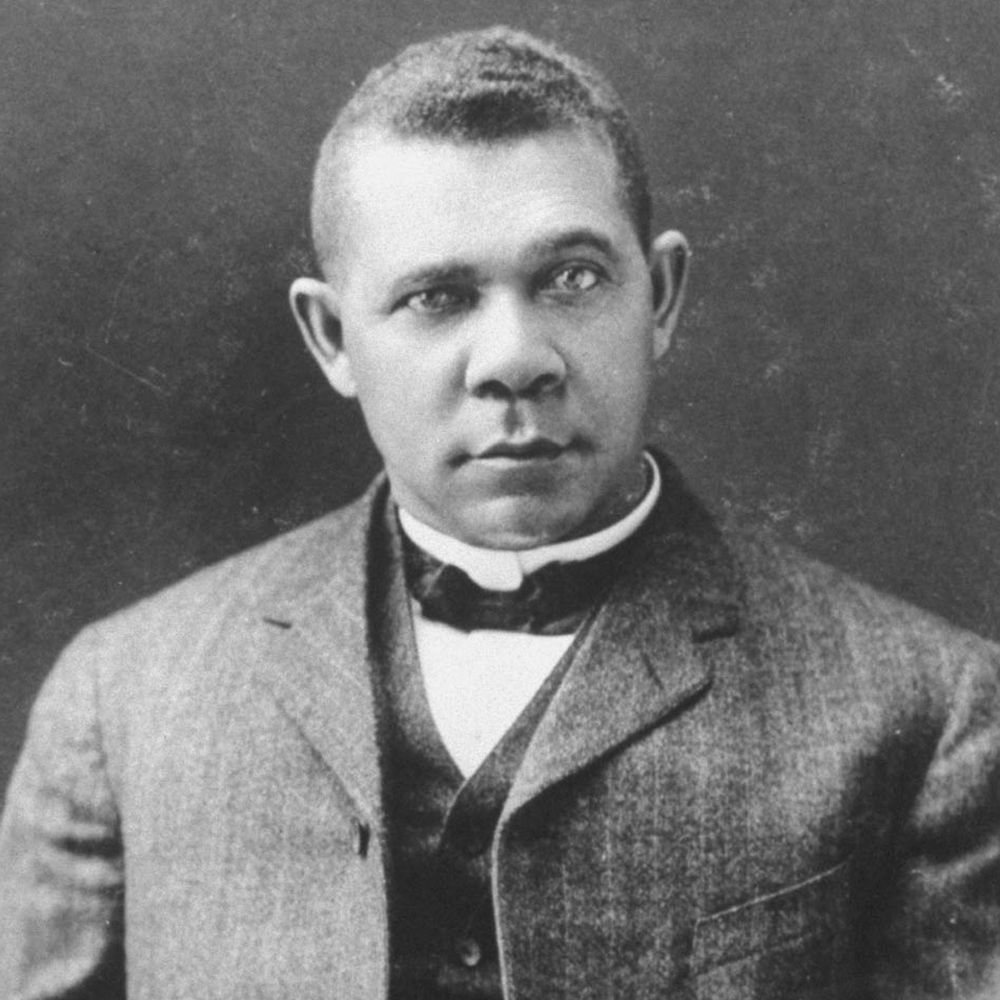 |
| Booker T. Washington. Booker T. Washington, 31 October 2023, https://tnhelearning.edu.vn/booker-t-washington/ |
Slavery affected many black people across America no matter how long they endured their mistreatment or how young they were when slavery was abolished. However, these differing experiences led to a divide where those who had endured slavery more harshly and longer sought freedom more strongly compared to those who experienced certain portions of slavery though not in its entirety. And while neither Harriet Jacobs or Booker T. Washington is necessarily “right” in their differing belief of how harmful slavery was to enslaved black people and future generations, their differing beliefs stem from their own personal experience in slavery and outside of it. Washington spent less time in slavery and therefore had less memories to traumatize his experience simply because he had memories of that time in his life to begin with. Jacobs on the other hand spent the majority of her life enslaved, and because of this, she got to see how bad slavery could get, especially to young black women regarding sexual abuse. While it is near impossible to read Jacob’s autobiography and attempt to formulate the same belief of mutual beneficiary that Washington did, the same could be applied vice versa. The events that happen in someone’s life directly affects the outlook they have regarding related or unrelated topics, neither way is the “right” or “wrong” way, just different ways caused by different situations. Overall, because of Booker T. Washington’s minimal experience within slavery, he garnered a more sympathetic and complaint relationship with slavery while Harriet Jacobs’ harsher treatment in slavery caused her to have a more positive outlook with its eventual abolition.